
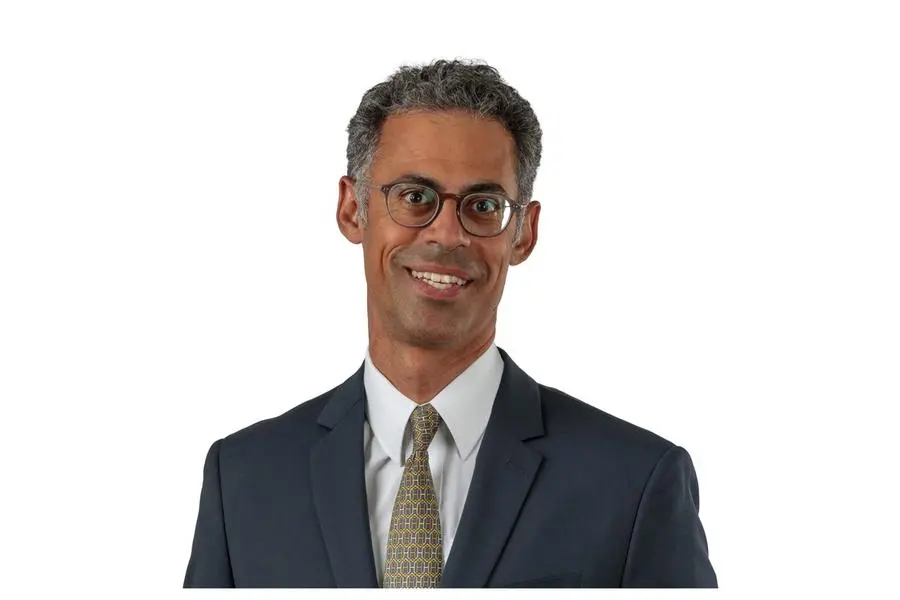
- CEO Ali Dibadj details the structural market forces shaping portfolios
-
He notes that these forces are evolving in how they influence markets
In his 2026 roundup of global macro investment themes, Janus Henderson Investors CEO Ali Dibadj says the macro forces tracked by the global active asset manager remain largely intact despite rapid economic and technological change. He notes that these forces are evolving in how they influence markets, generating fresh risks and opportunities for investors while still offering a practical framework for portfolio decisions.
Geopolitical risk and regionalization
2025 has seen the tangible consequences of election cycles that have brought new world leaders to power, according to Dibadj. He cites tariffs as an early example, and believes 2026 will see ongoing impacts as governments implement economic policies to promote national interests. This has the potential to shape all areas of markets, with trade, technology, and energy being obvious examples. Dibadj cautions that this changing investment landscape needs to be navigated carefully and expertly.
“Companies in various categories – from chips to rare earths, social media to defence – are now viewed from a national security perspective,” says Dibadj. “This means separating the future winners from the losers from an investment perspective requires more than traditional financial analysis. Politics has become another investment lever to pull.”
AI-driven innovation
Talking about the next wave of investment opportunities, Dibadj points out that people are living and working differently. Younger generations are quick to adopt digital transformation, and older generations are seeing meaningful benefits. The clear example is artificial intelligence (AI). From an investment perspective, the theme extends far beyond the AI companies themselves; this is a “wave” or “megatrend” that reaches all parts of the economy. Global AI spending is projected to reach US$375 billion in 2025 and US$500 billion by 2026.1
AI innovation changes how businesses operate and deliver services, with the resulting productivity enhancements having the potential to fuel economic growth across all sectors. Healthcare is currently one area where Janus Henderson is seeing meaningful innovation as a result of AI.
Dibadj says active research and engagement with companies to understand the financially material impact of AI is crucial. “From an investment perspective, AI requires a thoughtful approach. Considerations include the environmental impact that comes with increased power demand and the societal impact of potential job changes or displacement,” he adds.
Fixed income and private credit
While interest rates are now generally falling from their peaks, the cost of capital is set to remain at levels far higher than what has been the norm over the last decade. Dibadj says this impacts investment markets in a meaningful way. “No longer is access to capital cheap, with lenders being more selective. This creates a greater gap between the investment winners and the losers – and suits active managers well. Detailed analysis and deep understanding can uncover early indications of which side of the ‘have’ or ‘have not’ divide a company will fall – and help position portfolios accordingly.”
The higher-for-longer cost of capital also supports fixed income investing. In short, yield is back, says Dibadj. For 2026, investors have a range of fixed income opportunities that can be approached from a multi-sector perspective or by using specialists in areas such as securitized, short duration, or emerging market debt.
“We also see enormous opportunity in private credit strategies, less in direct lending but very much in asset-backed finance (benefitting from real-world collateral) and emerging market private credit,” Dibadj adds.
Client-centric asset management: Evolving to meet investor needs
With the changing investment landscape, Dibadj emphasises that client-centric solutions are key. “We firmly believe that to be successful in meeting the needs of clients in 2026 and beyond, it is important to be one step ahead. We believe in transformation; close to 15% of our offering is new and growing, we continue to reshape our technology, and we actively strengthen our teams by promoting and incentivizing excellence.”